Using ChatGPT to Build a Chrome Extension? Use ManifestGo Instead
ChatGPT can write snippets, but it can't ship a real Chrome extension end-to-end. ManifestGo is the tool built specifically for that job.
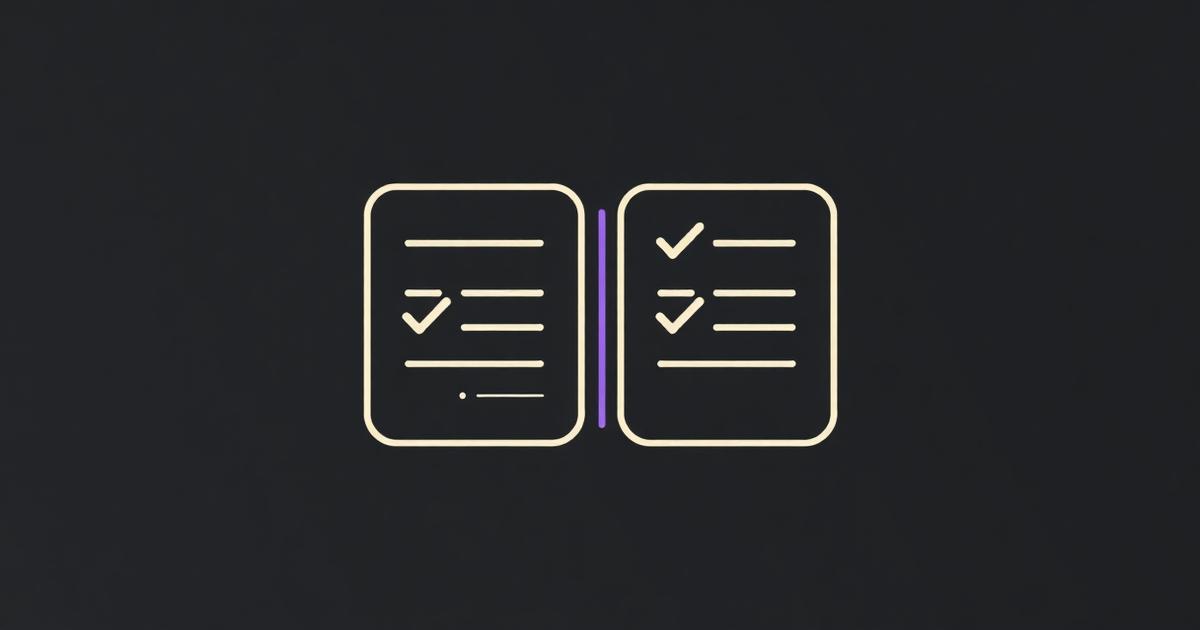
People often start by asking ChatGPT, Claude, or Gemini to 'write me a Chrome extension'. The model returns code, you paste it into files, you wire up a manifest, you debug the service worker, you generate icons, you zip the folder. By the time you've finished, the model has changed its mind about half the API surface. ManifestGo skips all of that.
Why a purpose-built tool wins
- ManifestGo always returns a complete, valid Manifest V3 project — never partial code.
- It generates real SVG icons sized 16 / 32 / 48 / 128, not 'add your own here'.
- It packages the extension as a .zip you can install or publish in one click.
- Iterative edits are scoped patches, not full rewrites — your project stays consistent.
- Permissions, host scopes, and chrome.storage are wired correctly the first time.
When ChatGPT is fine
ChatGPT is great for explaining a Manifest V3 concept or debugging a single function. It is not built to ship complete Chrome extensions. ManifestGo is.
Try it
Open https://manifestgo.app, paste the same prompt you'd give ChatGPT, and compare the output. The gap is obvious.
The exact gaps that show up when using ChatGPT
Ask a general-purpose chat model for a Chrome extension and you typically get one code block covering manifest.json and maybe one script — rarely a full file tree with correctly sized icons. Common issues: it mixes MV2 and MV3 syntax in the same manifest (e.g. `"browser_action"` alongside `"manifest_version": 3`, which Chrome rejects since MV3 requires `"action"` instead), it suggests `chrome.tabs.executeScript` (removed in MV3, replaced by `chrome.scripting.executeScript`), and it rarely produces actual icon image files — just a placeholder note to 'add your own icons here'.
A concrete manifest error this produces
Loading a ChatGPT-drafted manifest with `"browser_action"` under `"manifest_version": 3` throws "Manifest key 'browser_action' is only supported in manifest version 2" in chrome://extensions — a one-line fix once you know the fix, but it stops a non-developer cold.
Where iterative chat with an LLM breaks down
- No persistent file state — every reply is a fresh code block, so asking for 'also add dark mode' regenerates everything, often dropping earlier fixes.
- No packaging — you manually create folders, paste each file, and zip it yourself.
- No live preview — you can't see the popup render until you've loaded it unpacked in Chrome.
- Inconsistent API versions — the same conversation might mix `chrome.action` and `chrome.browserAction` calls across turns.
What a purpose-built generator does differently
ManifestGo maintains the project as actual files, not chat text — so an instruction like 'persist settings to chrome.storage.sync' patches only the relevant popup/background files, keeps the manifest version-correct, and re-renders a live preview, then re-packages the .zip automatically.
When ChatGPT is genuinely the right tool
- Explaining what a specific manifest field or chrome.* method does.
- Debugging a single error message you paste in, once you already have a working project.
- Brainstorming extension ideas or copy for a Web Store listing.
- Reviewing someone else's extension code for security issues in a specific function.
A fair way to combine both
Use ManifestGo to generate and iterate the actual shippable project, and use ChatGPT alongside it to understand any generated code you're unsure about — the two aren't mutually exclusive, they solve different problems.
Frequently asked questions
Why does a ChatGPT-generated manifest sometimes mix browser_action and manifest_version 3?
Because the model's training data contains far more MV2 examples than MV3 ones, so it sometimes blends the two; MV3 requires `"action"` instead of `"browser_action"`, and Chrome will refuse to load a manifest that mixes them.
Can I paste ChatGPT's code directly into ManifestGo?
You can describe the same feature to ManifestGo as a prompt and it will generate a compliant MV3 implementation, but pasting raw arbitrary code isn't the intended workflow — ManifestGo builds and edits its own generated project structure.
What replaced chrome.tabs.executeScript in Manifest V3?
`chrome.scripting.executeScript`, which requires the `scripting` permission and takes a `target: { tabId }` plus either a `func` or `files` array, replacing the older callback-based `chrome.tabs.executeScript` API.